



 KrishaLabs
 KrishaStudio
 KrishaStore
Result At Glance
In under three months of active work KrishaWeb turned BuildLabs‘ underperforming Webflow site into a fast, fully integrated platform that actively generates and captures leads. Here are the headline numbers.
Metrics: Platform Launch Performance
All metrics measured using Google Analytics, HubSpot CRM reporting and Google PageSpeed Insights. Lead volume and form data measured against the 90-day pre-integration baseline.
| Metric | Before | After | Change | Timeframe |
|---|---|---|---|---|
| Page Load Speed | 4.8s avg | 1.9s avg | -60% | Post Phase 2 |
| Google PageSpeed Score | 51 / 100 | 84 / 100 | +65% | Post Phase 2 |
| Website Lead Volume | Baseline | +73% increase | +73% | 90 days post-HubSpot |
| Form Completion Rate | ~18% | ~41% | +128% | Post multi-step forms |
| Gated Content Downloads | 0 — not available | Active lead capture | Active lead capture | Post Phase 3 |
| Meetings Booked via Site | 0 — manual only | Direct HubSpot scheduling | New channel | Post Phase 3 |
| Avg. Session Duration | 1m 12s | 2m 47s | +131% | Post 3D configurator |
| Bounce Rate | 67% | 48% | -28% | Post Phase 2 and 3 |
- BuildLabs
- KrishaWeb
- UI/UX Redesign
- Webflow Developement
- Integrating HubSpot CRM
- Integrating a 3D project configurator
How KrishaWeb Turned a Visually Strong Webflow Site Into a Lead Generation Engine
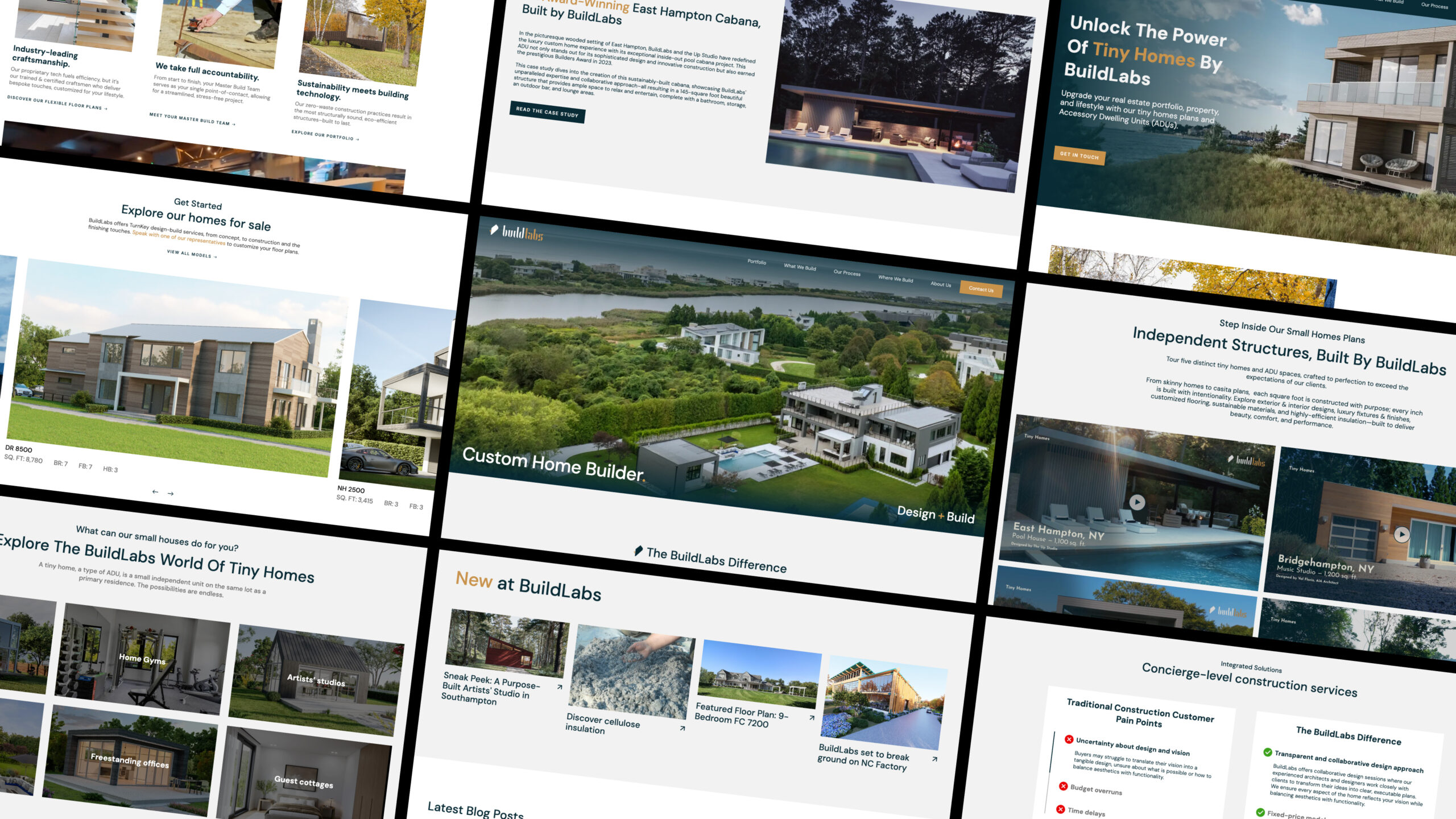
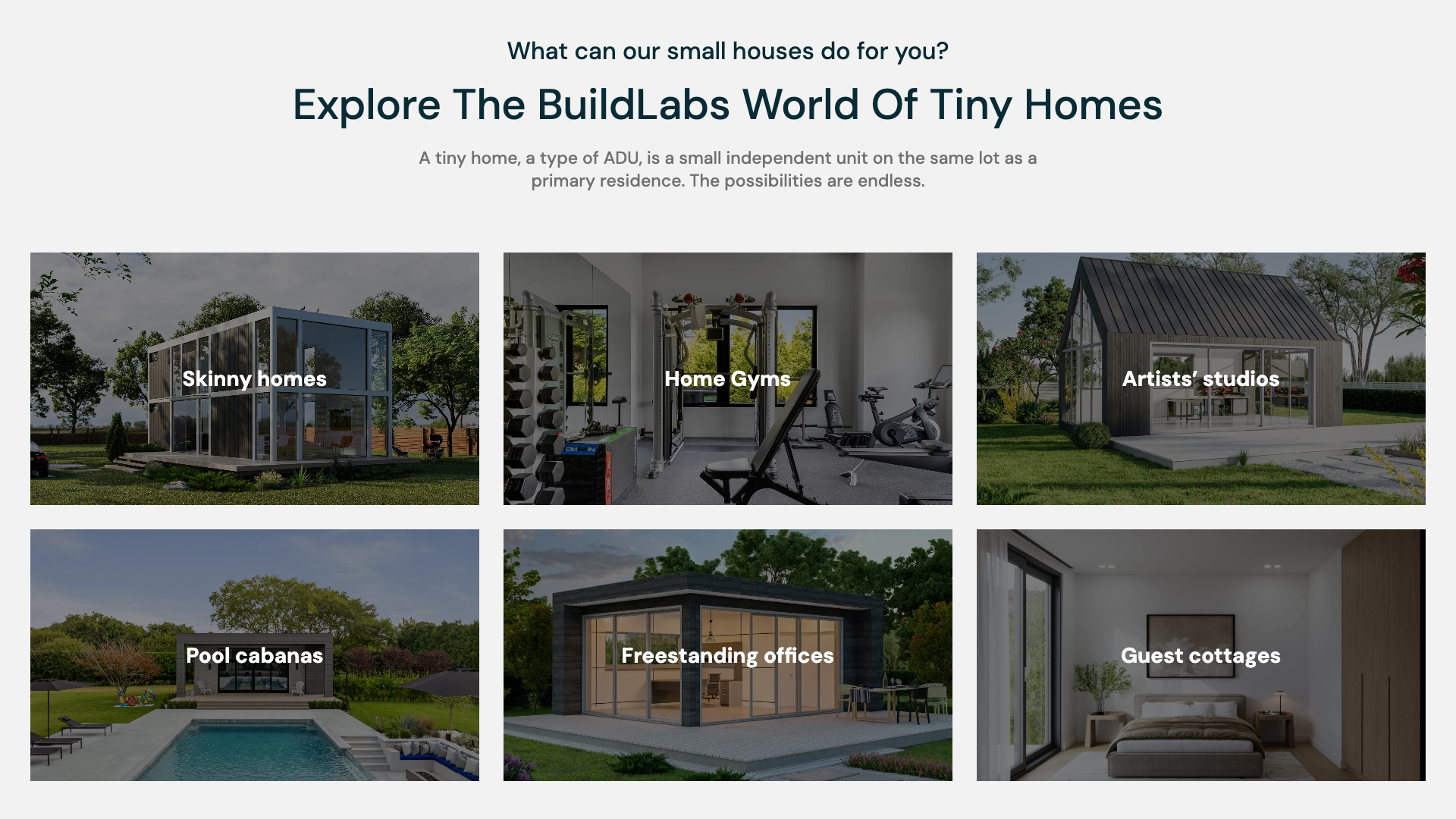
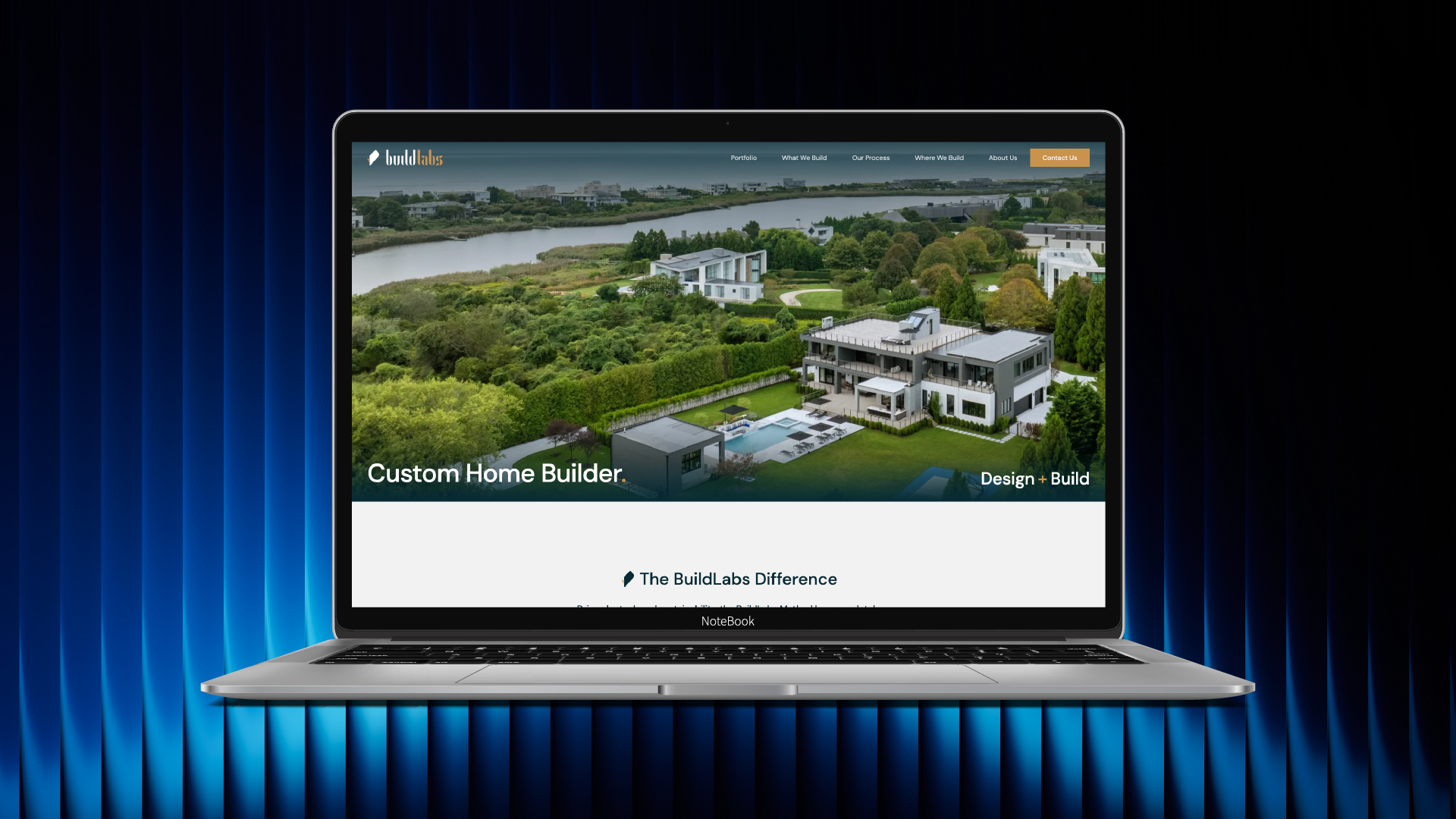
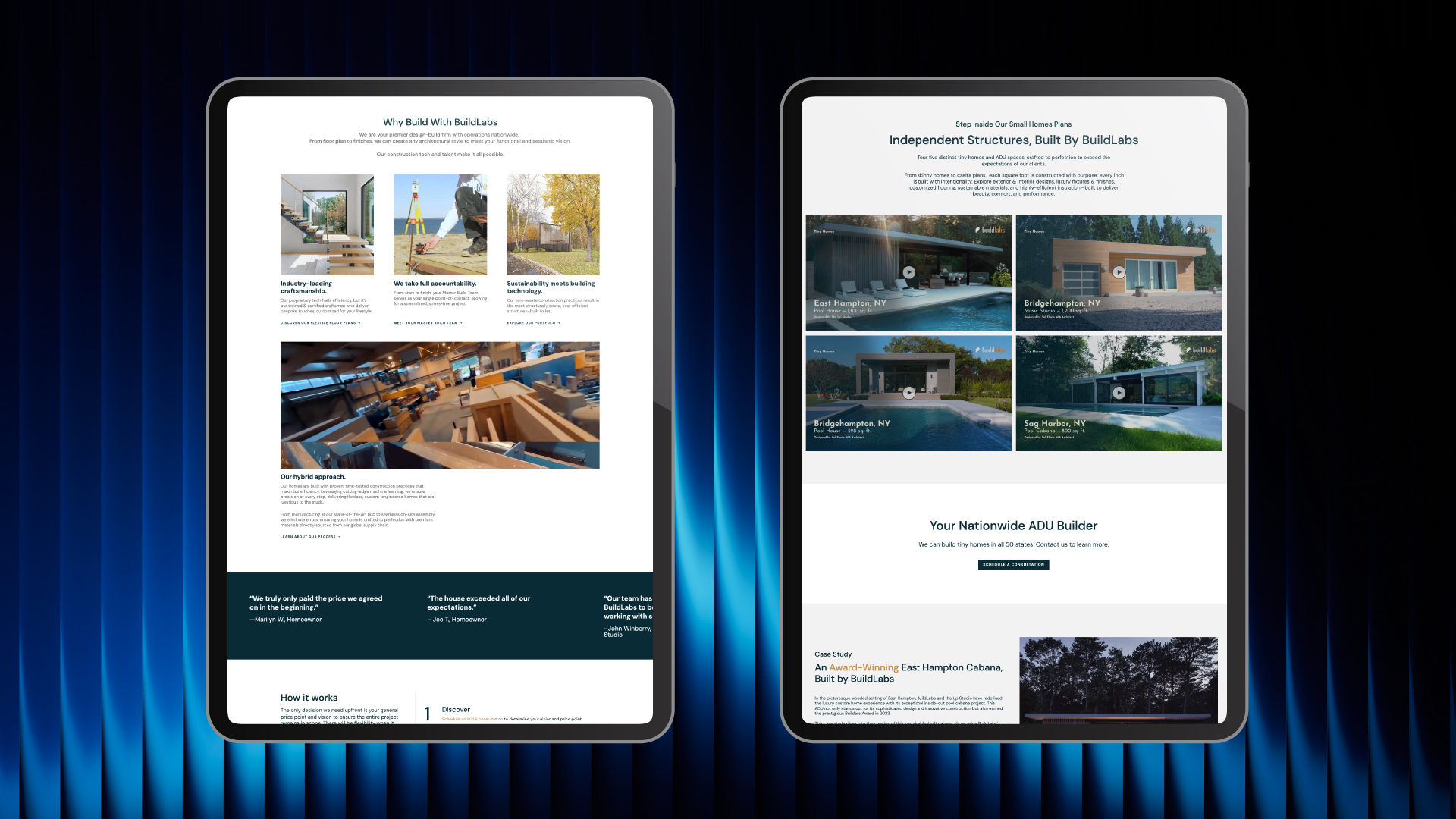
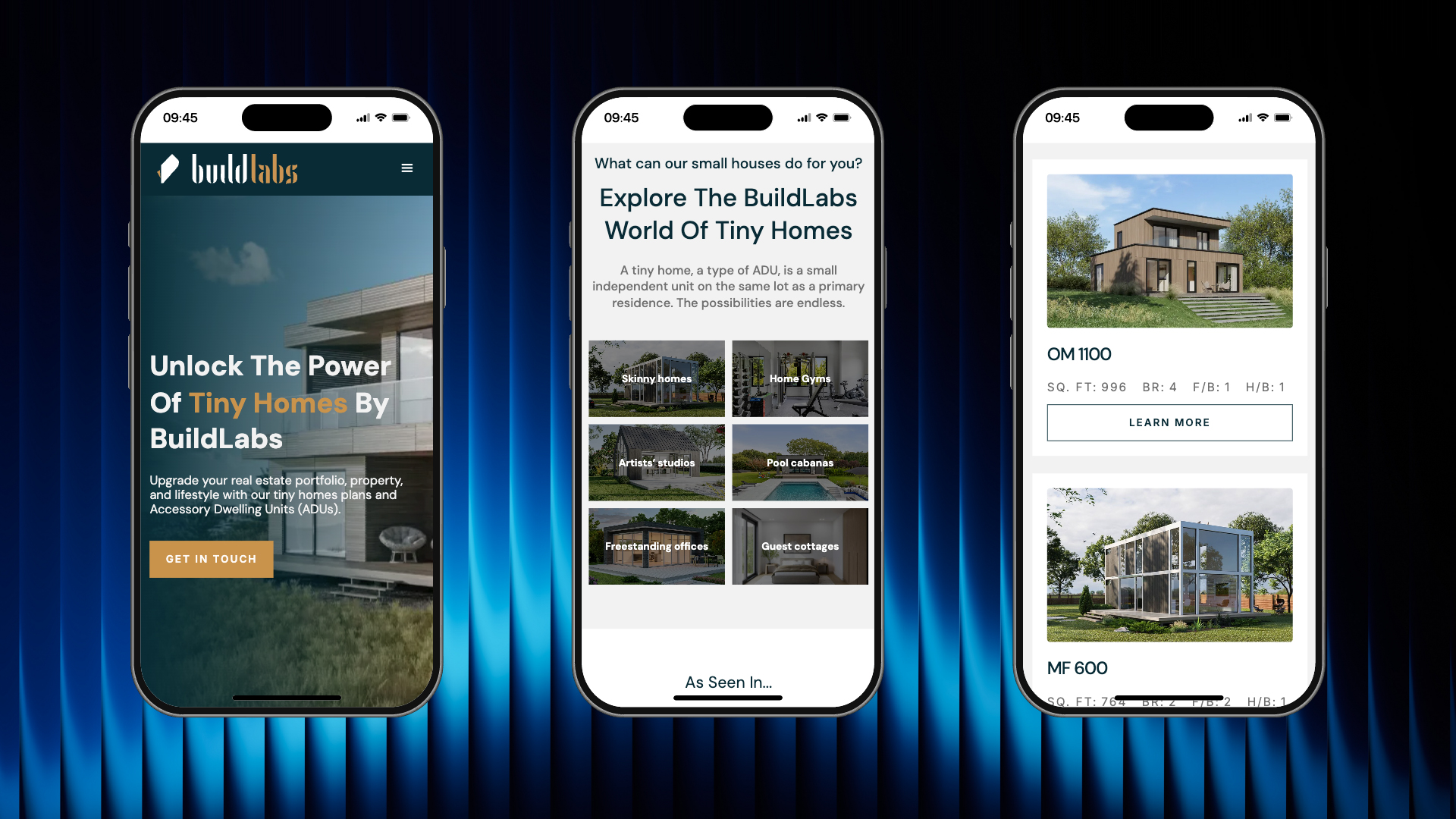
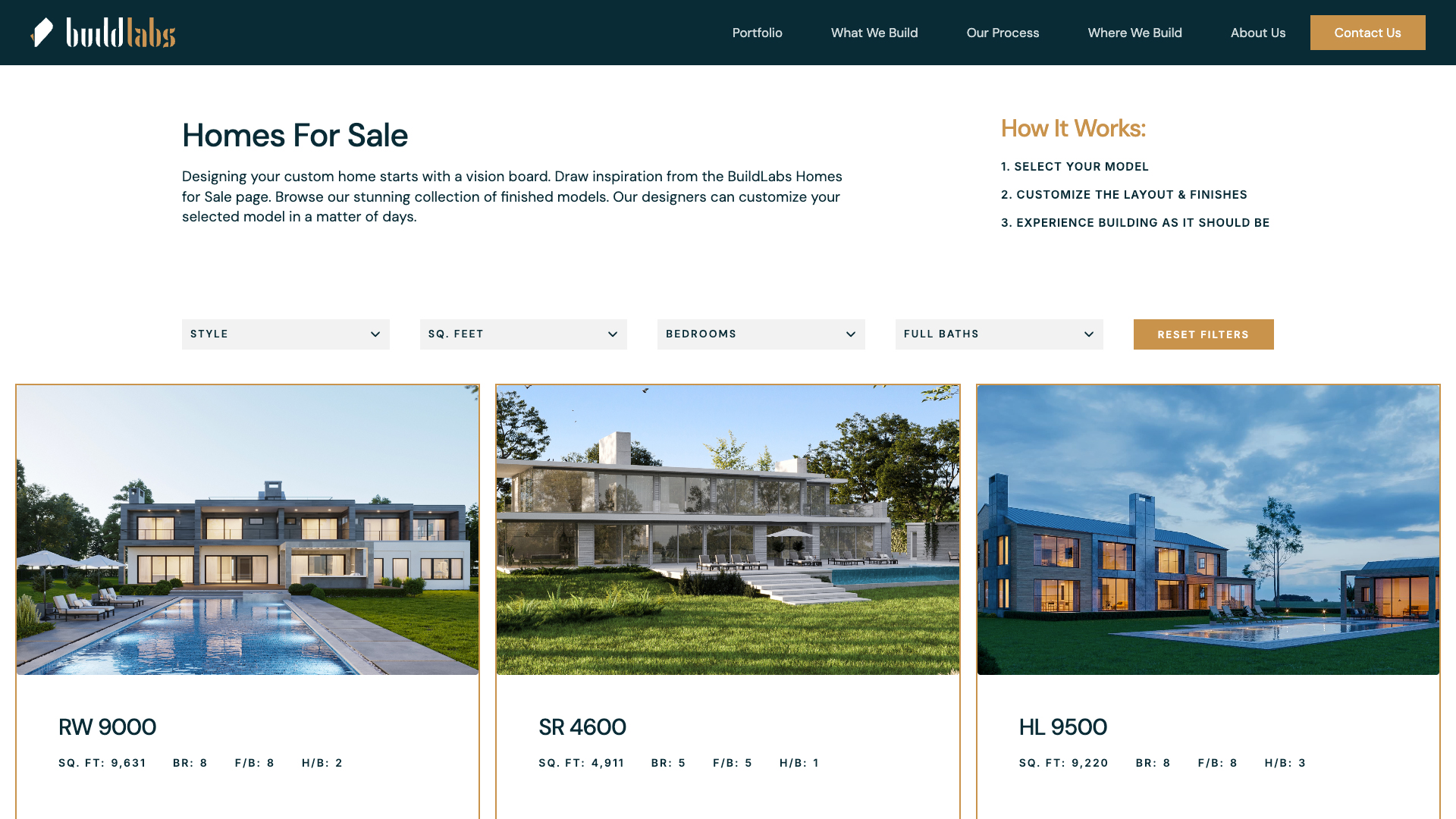
BuildLabs is a B2B digital platform showcasing innovative building solutions, project portfolios and services. Their website is the primary channel through which they attract clients, demonstrate capabilities and generate inbound leads from construction and property development companies evaluating solutions.
For a business where projects are complex, visually rich and high in value, the website needs to do serious work. It has to load fast, look polished, make it easy for prospects to explore what BuildLabs offers and convert that interest into a conversation. Before KrishaWeb stepped in the site was falling short on all of those counts — strong design, weak infrastructure, no lead capture pipeline and no CRM connection whatsoever.
The Challenge
BuildLabs had a visually strong Webflow site with gaps in everything around it. Performance was poor, the site had no CRM connection, no lead capture infrastructure and no way to turn visitor interest into a sales conversation. The engagement was about fixing what was broken and connecting what was missing.

Performance That Was Losing Visitors Before They Arrived
Average page load time was 4.8 seconds and the Google PageSpeed score sat at 51 out of 100. Visitors were leaving before they had a chance to see the quality of the work BuildLabs was showcasing.

No CRM, No Lead Capture, No Pipeline Visibility
The site had no HubSpot forms, no meeting scheduling and no mechanism for gating content in exchange for contact information. Any visitor who did not manually pick up the phone was effectively invisible — mid-funnel intent going completely untracked and uncaptured.

Forms That Visitors Were Not Completing
The existing forms were single-step and converting at roughly 18%, well below the 35 to 40% industry benchmark for optimised B2B multi-step forms. Long single-page forms ask for commitment before a relationship has been established.

A Site That Could Not Hold Visitor Attention
Average session duration was 1 minute 12 seconds and the bounce rate was 67%. For a platform whose value proposition is the quality of its project portfolio, most visitors were leaving before they had meaningfully engaged with BuildLabs’ work.
Objectives
Every phase of the engagement was designed to move specific numbers. Here is what we committed to improving.
- Reduce page load time to under 2 seconds and bring Google PageSpeed above 80
- Integrate HubSpot CRM to create a structured lead capture pipeline from website traffic
- Replace single-step forms with multi-step JotForm workflows synced to HubSpot to lift completion rates above 35%
- Implement gated portfolio PDF downloads as a new lead qualification channel
- Add HubSpot meeting scheduling so high-intent visitors can book directly without friction
- Connect HubSpot to Mailchimp via Zapier to automate lead nurture from first contact
- Build and integrate a 3D project configurator to increase time on site and prospect engagement
Our Strategy
We approached this as a diagnostic project before it became a development project. Specific, identifiable problems required auditing precisely, prioritising ruthlessly and building in a sequence that would deliver visible results at each phase rather than making the client wait for a single big launch.
Audit First, Build Second
We spent the first two weeks in review mode — understanding exactly where the performance gaps were, which components had implementation inconsistencies and what the existing code structure would and would not support. That audit shaped every decision that followed.
Performance Before Features
We deliberately sequenced Phase 2 before Phase 3. There was no point adding HubSpot forms and a 3D configurator to a site losing visitors in the first four seconds. We fixed the foundation first so the conversion infrastructure in Phase 3 had a high-performance site to live on.
Connected Conversion Architecture
The HubSpot integration, JotForm multi-step workflows, Zapier automation and gated content downloads were designed as a single connected lead generation system where every touchpoint feeds the same pipeline. A visitor who downloads a portfolio PDF, completes a contact form or books a meeting all land in HubSpot with full context.
Interactivity as an Engagement Tool
The 3D project configurator was added because the data showed BuildLabs was losing visitors before they had a chance to engage with the portfolio. Giving prospects an interactive way to explore project options turned passive browsing into active engagement — and the 131% increase in session duration confirmed it.
73% More Leads, 60% Faster Load Time, One Connected Platform
BuildLabs had a visually strong Webflow site with no CRM connection, no lead capture pipeline and no way to turn visitor interest into a sales conversation. Three months of focused work changed all of that.
- Page load time dropped from 4.8 seconds to 1.9 seconds, a 60% reduction, and the Google PageSpeed score rose from 51 to 84. Bounce rate fell from 67% to 48% as visitors who previously left before engaging started staying long enough to explore the portfolio, use the configurator and make contact.
- Within 90 days of HubSpot going live, website-driven lead volume increased by 73% through three new channels that did not exist before: gated content downloads, direct meeting bookings via HubSpot scheduling and multi-step form submissions flowing cleanly into the CRM pipeline.
- Form completion rate improved from 18% to 41%, a 128% increase, after switching from single-step to multi-step JotForm workflows. On the same traffic volume, that is more than twice as many qualified submissions from the same marketing spend.
- Average session duration increased from 1 minute 12 seconds to 2 minutes 47 seconds, a 131% increase, following the launch of the 3D project configurator. Prospects who previously bounced after a brief scroll were spending meaningful time exploring project options interactively.
- The marketing team now has full pipeline visibility through HubSpot with every lead source tracked, every form submission logged with context and every gated download and meeting booking attributed to the website interaction that triggered it.


Phase 1: Audit and UX Consultation
- Reviewed all existing site code and components to identify issues and design discrepancies across the full site.
- Benchmarked each page for performance against Google PageSpeed Insights, GTmetrix and Lighthouse.
- Identified 14 separate discrepancies between the provided designs and their live implementation.
- Developed an itemised prioritised roadmap for improvements with effort estimates, then held several meetings with the BuildLabs design team to align on UX recommendations before build began.
Phase 2: UI Implementation and Performance
- Restructured the Webflow component library for consistency across all custom code areas and built new reusable components.
- Eliminated render-blocking scripts, improved image compression across all pages and added lazy-loading for media-heavy pages.
- Improved average page load time from 4.8 seconds to 1.9 seconds and raised the Google PageSpeed score from 51 to 84.
- Developed interactive UI components using Marquee.js for dynamic sliders, Slick Slider and Swiper.js for carousels and Fancybox for pop-up windows.
Phase 3: Integrations and Feature Development
- Connected all lead capture forms to HubSpot and added HubSpot meeting scheduling so prospects can book directly on the website without any email exchanges.
- Replaced single-step forms with JotForm multi-step workflows synced to HubSpot — form completion rate increased from 18% to 41%.
- Built a gated PDF portfolio requiring contact information to access, with all records saved automatically to HubSpot.
- Integrated Mailchimp with HubSpot via Zapier for automated nurture sequences, implemented a Finsweet dynamic CMS for portfolio filtering and added Termly for GDPR cookie consent.
- Integrated the Salesqueze 3D project configurator — average session duration increased by 131% within two months of launch.
Phase 4: Ongoing Maintenance and Continuous Development
- Daily collaboration with the BuildLabs team to develop platform updates, discover new needs and implement new functionality.
- Monthly PageSpeed assessment alongside Google Analytics review.
- Continuous CMS evolution and ongoing integration improvements to keep all marketing tools working together more effectively.
The Tech Behind BuildLabs' Lead Generation Platform
The BuildLabs platform runs on Webflow with a fully connected marketing and CRM stack layered on top. HubSpot sits at the centre of the lead capture architecture. Every form submission, gated content download and meeting booking flows into the same pipeline with full source attribution so the team knows exactly where each lead came from. JotForm multi-step workflows replaced the single-step forms that were converting at 18%, with each form synced directly to HubSpot on submission. Zapier connects HubSpot to Mailchimp so qualified leads enter automated nurture sequences without any manual handoff from the team.
On the engagement side, the Salesqueze 3D project configurator gave prospects an interactive way to explore BuildLabs’ offering rather than scrolling passively through static content. Finsweet’s attribute-based filtering brought dynamic CMS sorting and nested filtering to the portfolio section without any custom code. The performance work in Phase 2 brought average load time from 4.8 seconds to 1.9 seconds before any of the conversion infrastructure was added, because there was no point building a lead generation system on a platform that was losing visitors in the first four seconds.
- Platform: Webflow
- CRM and Lead Capture: HubSpot — forms, meeting scheduling, PDF gating
- Marketing Automation: Mailchimp and Zapier
- Form Workflows: JotForm — multi-step, HubSpot sync
- 3D Configurator: Salesqueze
- Interactive UI: Marquee.js, Slick Slider, Swiper.js, Fancybox
- CMS and Filtering: Finsweet — sort, filter, nested CMS
- Cookie Consent: Termly
- Custom Code: JavaScript — interactions, animations, dynamic elements
Valuable Feedback From Our Client
“We came to KrishaWeb with a Webflow site we were proud of visually but that was not doing the job commercially. They audited everything before touching anything, told us exactly what was broken and why, and built a solution that connected every part of our marketing stack for the first time. The load time improvement alone changed how visitors behaved on the site. The HubSpot integration finally gave us a pipeline we could actually see and manage. The results came through faster than we expected and the team has stayed involved every step of the way since.”
– BuildLabs
Project Timeline
Website Audit and UX Consultation
Webflow review, UI inconsistency audit, performance assessment, UX recommendations, improvement roadmap

UI Implementation and Performance
Pixel-perfect UI rebuild, code and component optimisation, page speed improvements, interactive UI elements

Feature Development and Integrations
HubSpot forms and scheduling, JotForm multi-step flows, PDF gated downloads, Salesqueze 3D configurator, Zapier and Mailchimp automation

Ongoing Maintenance and Growth
Continuous feature development, UX and UI refinements, performance monitoring, new integrations, daily collaboration

Key Takeaways
Performance improvements belong in Phase 1, not Phase last.
A 60% reduction in load time did not just make the site faster — it made every subsequent conversion optimisation effort more effective. Fixing the foundation first is the difference between adding features to a broken platform and adding features to one that is ready to perform.
Multi-step forms are not a design preference — they are a conversion tool.
Going from 18% to 41% form completion by restructuring the form flow, without changing the copy or the offer, is one of the highest-ROI changes you can make to a B2B website. Single-step forms ask for commitment before trust is established. Multi-step forms build the relationship one question at a time.
A CRM without a connected website is a contact database. A website without a connected CRM is a brochure.
The 73% lead volume increase did not come from more traffic. It came from finally capturing and tracking the intent that was already there. BuildLabs needed both halves working together before either one was useful.
Interactive features earn attention in ways that static content cannot.
The 3D configurator doubled session duration not because it was novel but because it gave prospects a reason to engage actively rather than scroll passively. In B2B sales cycles where the product is complex and visual, a hands-on exploration tool is a direct investment in qualified engagement.
An ongoing partnership compounds in ways a one-time project cannot.
The improvements delivered in the first three months were the foundation. The value is in what gets built on top of that foundation month after month. KrishaWeb's daily collaboration model means BuildLabs retains the accumulated knowledge of every implementation decision rather than losing it when a project closes.
Turn Your Website Into a Sales Tool
Book a Free Strategy Call — Tell us what your website needs. We will show you exactly how we would fix it.