In 2025, your B2B website will be much more than a digital brochure. Your website is the most important driver of your brand credibility, lead generation, and relationships with existing customers. If you want people to remember you, the only choice is to create a site that is scalable (able to grow and adapt to change) and human-centric (meaning real human needs). WordPress remains the most popular and reliable solution for B2B businesses as it is flexible, has a large ecosystem, and can adjust to ever-changing digital trends.
This playbook gives you tangible steps and best practices to create a B2B WordPress site that will future-proof, make users happy and grow your business.
1. Start with Strategy: Who is your audience, and what’s your objective?
Understand your business objectives in creating the site: is it to generate business leads? Is it to establish brand authority? Is it a reference point for customers?
Establish what your ‘number one’ goal is so that you can positively impact each decision in the design and development process.
Develop your ideal buyer persona(s) through research, analytics, and feedback from the market.
Map the user journey (from the first visit to conversion). Most importantly, understand how you can add value and eliminate friction at each stage.
Empathy and Problem Solving: Talk to users by interviewing them, surveying them, testing their usability, or anything else you can do to deeply understand their needs and issues. Design real solutions to real problems, not symptoms.
Accessibility: Be sure your design is usable by everyone and accessible to people with disabilities. Follow WCAG guidelines and most importantly, test it with real people.
Personalization: Take advantage of cookies, session data, and/or CRM integrations to personalize content and calls-to-action for your varying users, so they feel their visit is relevant and engaging.
Simplicity and Clarity: Make navigation easy, messaging concise, and layouts intuitive. Avoid visual noise and superfluous information in order to keep your users focused on the relevant topics and actions.
If-So or Logic Hop are options for dynamic content personalization
3. Scalable WordPress architecture
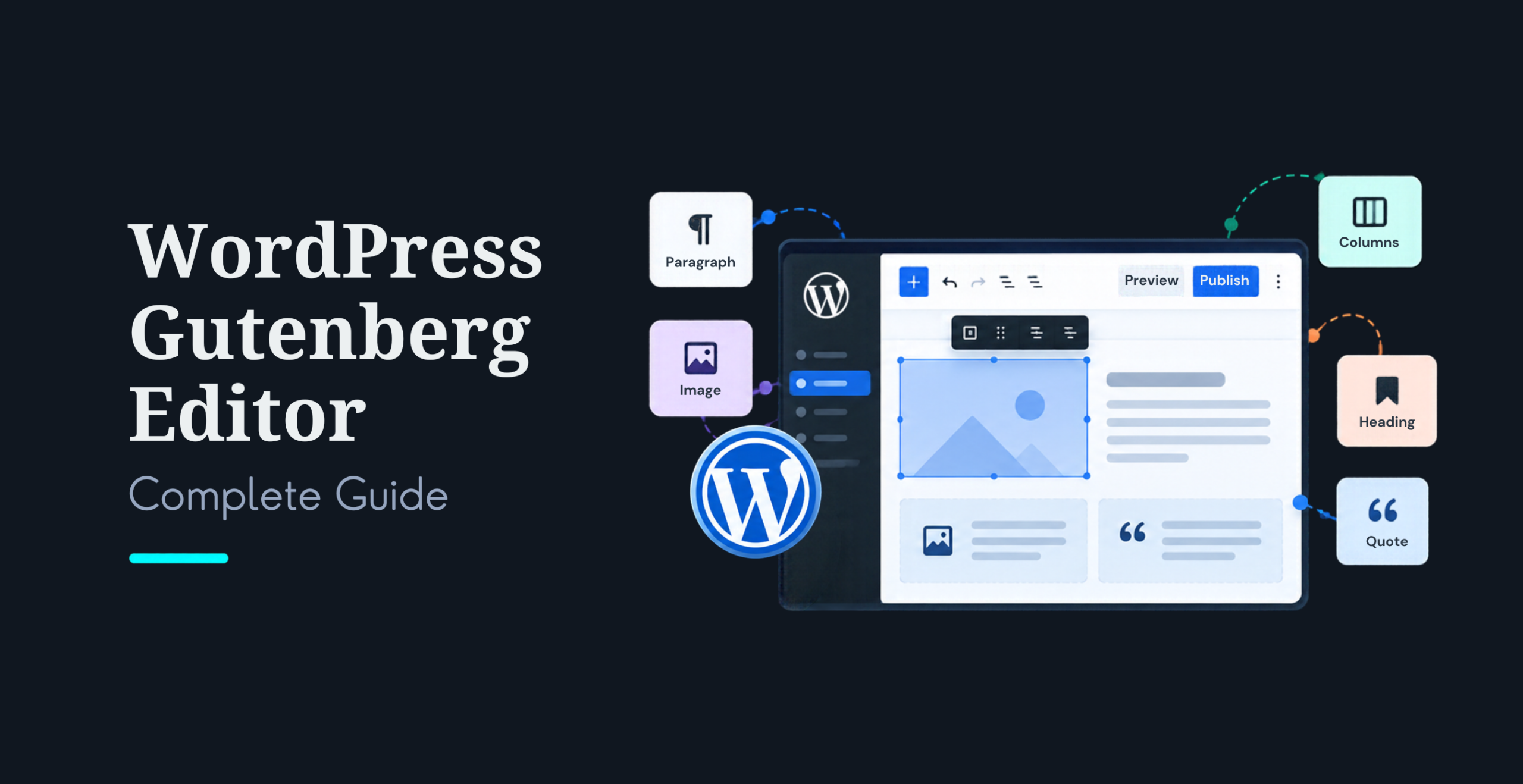
Modular Component-based architecture: To enable scalable websites and easy maintainability, we should be using block-based editing (Gutenberg), modular plugins, and core components to build with modern development processes.
Headless CMS: If you want some flexibility in the way content is delivered, consider dropping into a headless WordPress build. This will improve performance, speed of load time, and allow for more seamless integration points into the site from other platforms. This is especially valuable if your ‘B’ site is content-driven (like a blog) or maintains a multi-channel vendor deployment.
Cloud Infrastructure: Cloud can be beneficial for hosting during a traffic spike, handling (global) audiences, etc. Functionally, performance is less of an issue with a distributed or scalable cloud OR serverless database.
Database for Data: To ensure your site can scale to your data, look for a MySQL solution that is Cloud DB-friendly or optimized.
CI/CD: Movement toward Continuous Integration and Delivery, using CI, automated testing, and potentially deployable or containerized environments (such as Docker) allows us to update or deploy a website quickly with high confidence in its reliability.
Content funnel: Your content should suit the three stages of the buyer journey: awareness, consideration and decision. Blogs, case studies, whitepapers and demos can support leads through the journey.
Calls-to-action (CTAs): The user finds a lot of information on a website, and the next step doesn’t always seem apparent. Each stage of the website should have a prominent and clear action to take when the visitor is ready.
SEO and AEO: Optimising your site for search engines is now just one part of the equation. You also need to optimize for answer engines like Siri, ChatGPT and Google by using structured data, creating clear headings and letting the user know exactly where their answers can be found in your content.
Visual and interactive content: The B2B buyer is often faced with complex technical information. Using infographics, video and interactive tools, even when contextualised within text, creates a more engaging experience.
CRM & Marketing Automation: Connect to tools like HubSpot, Salesforce or Marketo to streamline lead management and tailor outreach. Simply flow personal data from your CRM to your marketing tools. Simple, efficient, and you re-stock the supply of legitimate data.
Analytics: As with CRM, connect with products like Google Analytics, Hotjar or similar others to analyze user activities, identify bottlenecks and optimize the experience. You can also use analytics to experiment with ways you can improve your audience experiences.
API-Driven Workflows: Connect your WordPress site to other business tools (ERP, chatbots, support systems/align with your systems) so that the data can flow smoothly between all of them.
7. Continuous Improvement and Iteration
User Feedback Loops: Collect user feedback regularly and act on it so that you can continue to improve your site. Conduct A/B tests to improve conversions and constantly improve users’ experience and satisfaction.
Proactive Updates: It’s easier to maintain and secure, too! Updating WordPress and updating your plugins and integrations will allow you to keep everything well supported and up to date with the latest and greatest WordPress features.
Scalable Support: Just as your business is growing, expect your support systems (documentation, live chat, knowledge base) will also need a complete long-term process to scale with your business. This is very important!
8. Case Study: Why WordPress is the Choice for All B2B Projects
So in 2025, WordPress remains the go-to platform for B2B web build-outs because it provides:
Flexibility: Switching business direction? No problem with thousands of plugins and custom themes.
Scalability: Whether you’re a startup or an enterprise site experiencing high traffic and complex integrations, WordPress will support you.
Affordability: Once again, because WordPress is built on open-source code and has a large developer community, costs are kept low while allowing for some rapid development.
Personalization and Automation: The real power of WordPress shines through in how easily it can integrate with marketing, sales, and analytics tools for a more personalized and data-driven experience.
Quick-Reference Checklist: Your Scalable, Human-Centric B2B WordPress Site
User feedback, A/B testing, proactive updates, scalable support
Final Thoughts
Constructing a scalable, human-centric B2B WordPress site in 2025 means applying solid technology in tandem with real empathy for your users. By applying the best practices shared above, you’ll have a platform that scales with your business and earns the trust and loyalty of your customers — today and into the future.
Excited to future-proof your B2B website experience? Start your journey with the ideas laid out above, and partner with a trusted WordPress development company to turn your vision into a high-performing digital reality. Let WordPress be your growth engine.
Girish Panchal
Technical Architect
A Technical Architect, proficient in WordPress, Drupal, Laravel, and DevOps tasks, crafts robust IT solutions with a blend of expertise and versatility in web development and infrastructure management.




 KrishaLabs
 KrishaStudio
 KrishaStore