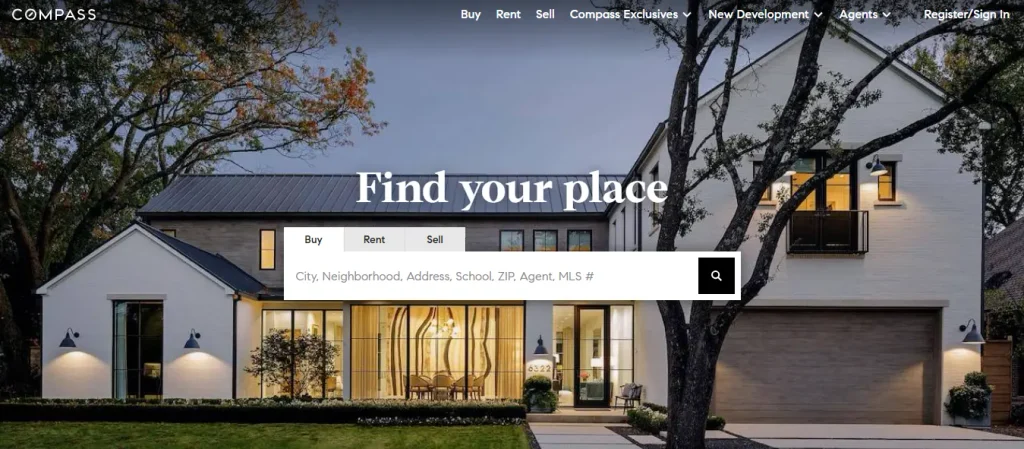
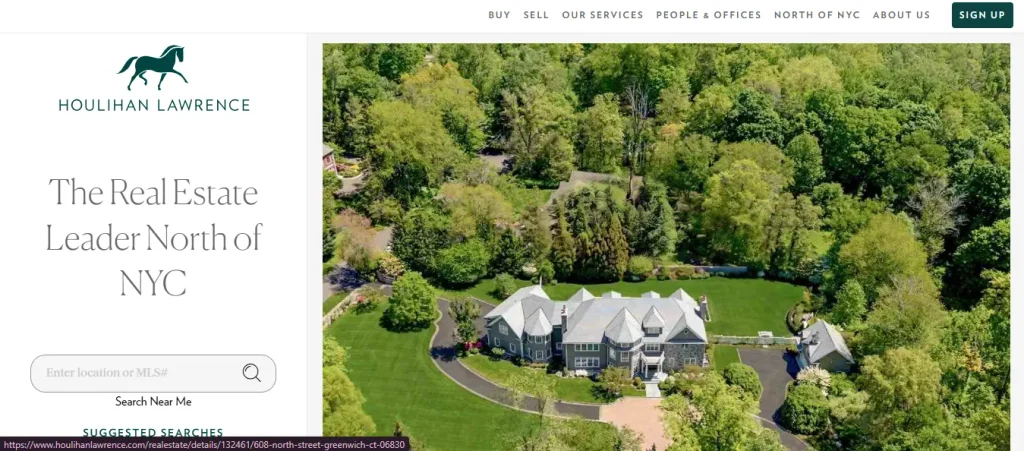
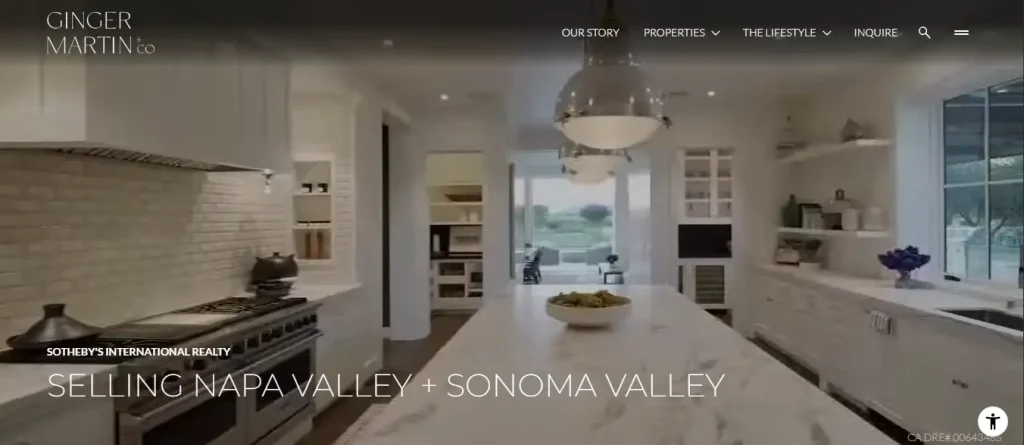
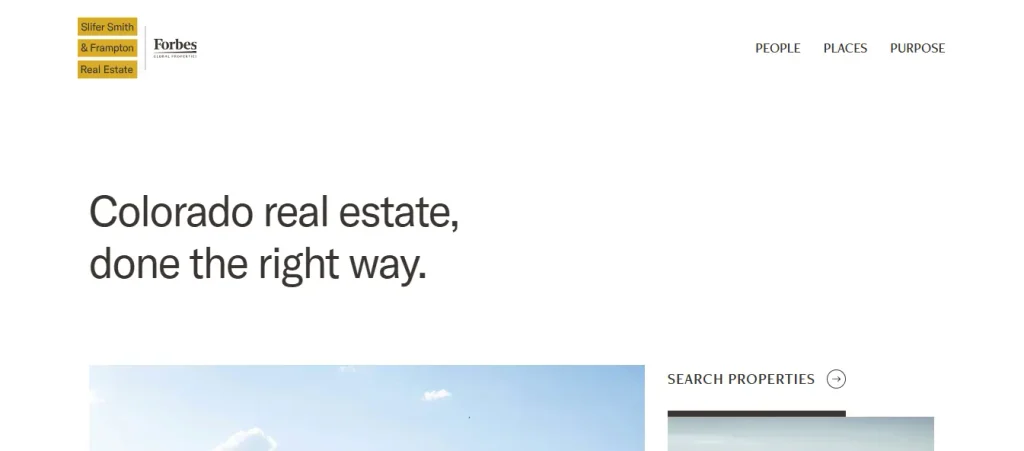
Every home buyer’s search now starts online. According to NAR’s 2025 Profile of Home Buyers and Sellers, 100% of recent buyers used the internet during their search and 70% used a mobile device to do it. Your website is often the first showing a buyer sees, well before they ever contact an agent. Below are 25 real estate websites worth studying, each with specific features you can borrow and one concrete takeaway for your own site.
What Makes a Real Estate Website Design “The Best”
Before the list, here’s what separates a strong real estate site from one that just looks nice in a screenshot:
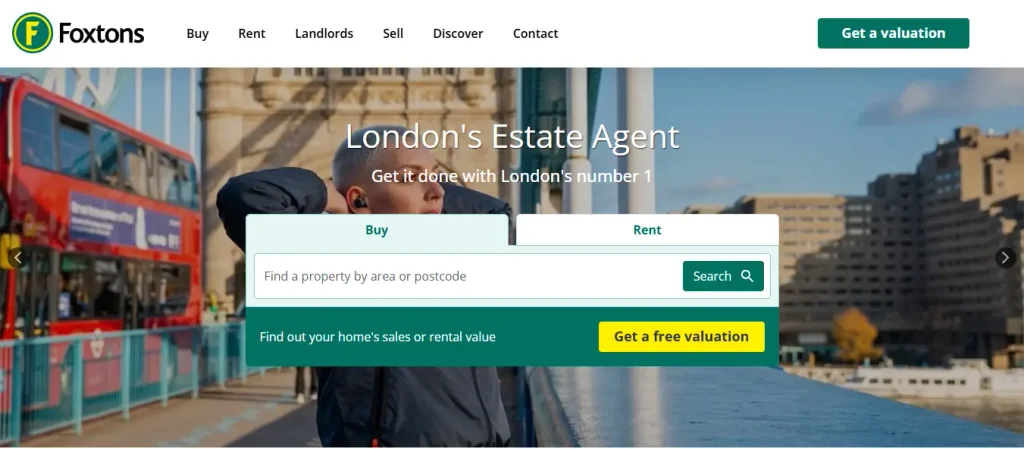
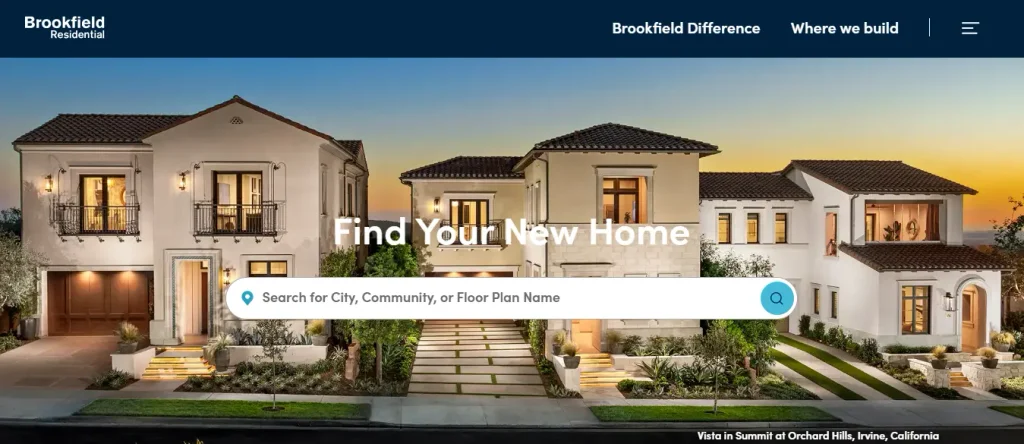
A clear value proposition above the fold, visitors know what the site does and who it serves within seconds
Fast, mobile-first performance, since most searches now happen on a phone
Advanced search and filters: location, price, property type, and lifestyle factors like schools or commute
Strong visual storytelling through real photography, video, and 3D tours, not stock imagery
Trust and credibility: agent bios, testimonials, local market data, transaction history
Real lead capture: forms, click-to-call, chat, or booking, not just a static contact page
Accessibility that meets WCAG standards, not an afterthought bolted on later
A few 2026-specific expectations are worth adding to that list: AI-assisted search that understands a query like “3-bedroom near good schools under $500K,” personalized listing feeds for returning visitors, and privacy-compliant tracking now that third-party cookies matter less than first-party data.
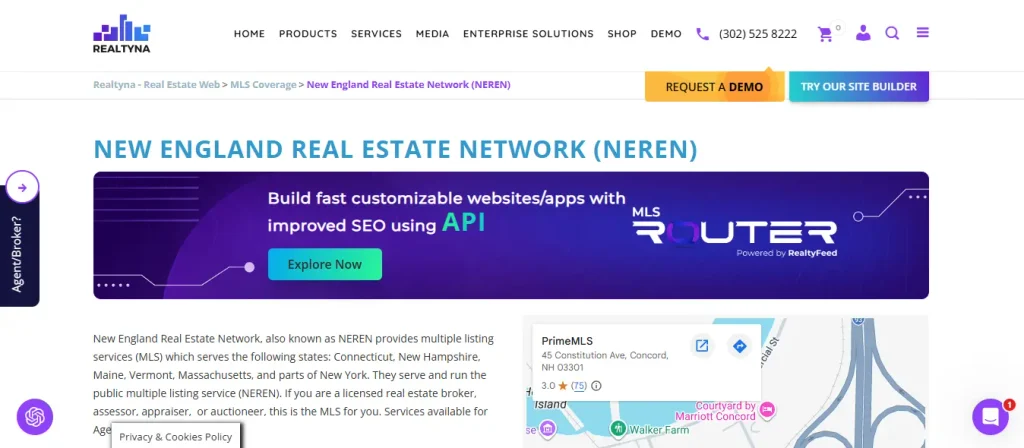
New England Real Estate Network (NEREN) powered by User Way utilizes widgets to customize the user experience. Their website contains an “Accessibility” button that allows users to adjust the text size and spacing, contrast, pause animations, highlight links, and make the content dyslexia friendly.
The company serves different regions and hence the information on the homepage is well organized for users to quickly find relevant content. Thus, the page includes search bar options to find houses by top cities, median price range, and top waterfront property listings. Lastly, the background photograph of New England Lake as seen through the bay windows adds to the appeal of the website.
Strong, consistent brand identity across a national platform.
A black-and-white palette and geometric design language stay consistent across every page
Branding choices (including the yard sign design) carry through from digital to physical marketing
What to steal: Pick 2 or 3 visual elements (a color pairing, a shape, a type style) and repeat them everywhere so the brand feels intentional, not assembled from templates.
Aspirational imagery paired with practical navigation.
A striking regional photo (in this case, Hawaii) sets an emotional tone before any copy loads
Live chat and contact buttons sit in consistent corners across the site
A dropdown groups social links and blog content alongside core navigation like “Find Your Home” and “Explore by Island”
What to steal: Let one striking image do the emotional work, then keep every practical action (chat, contact, search) exactly where visitors expect to find it.
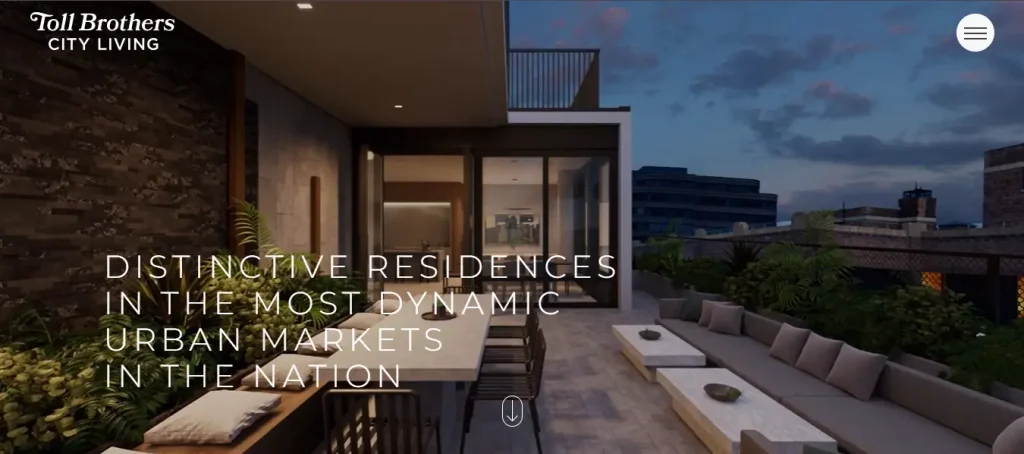
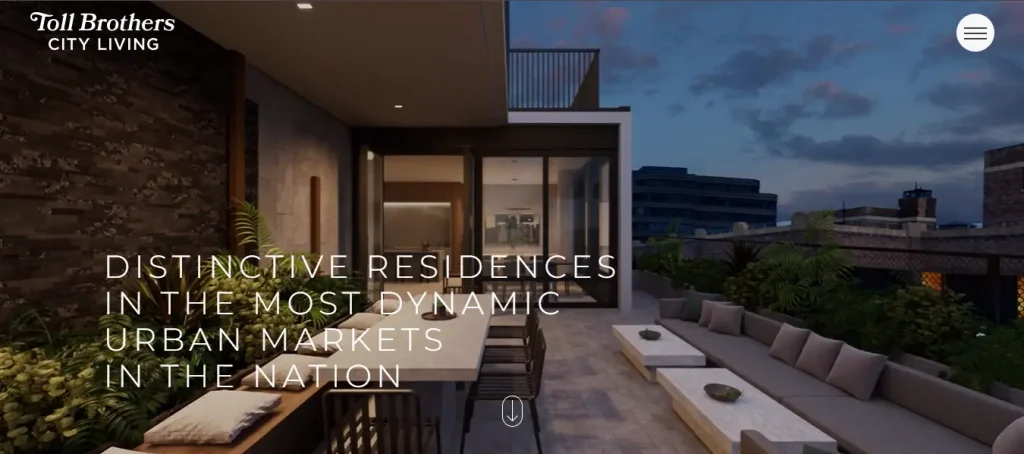
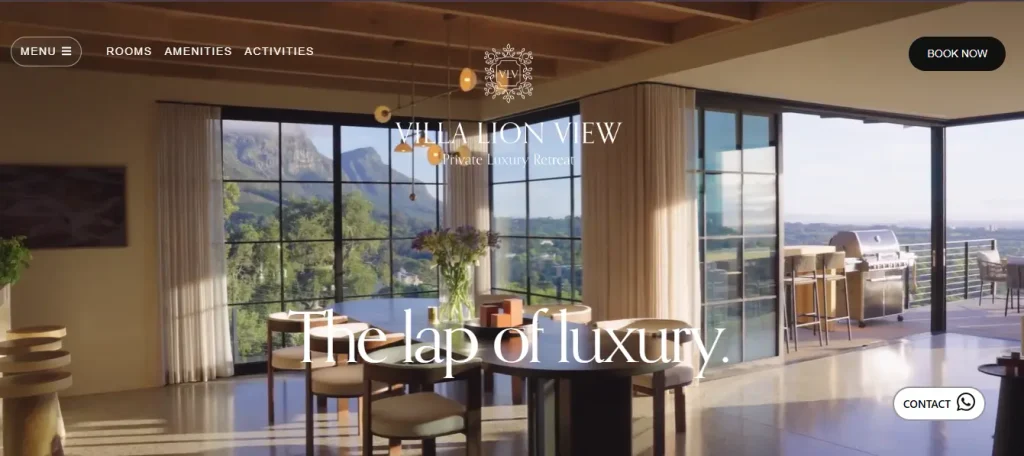
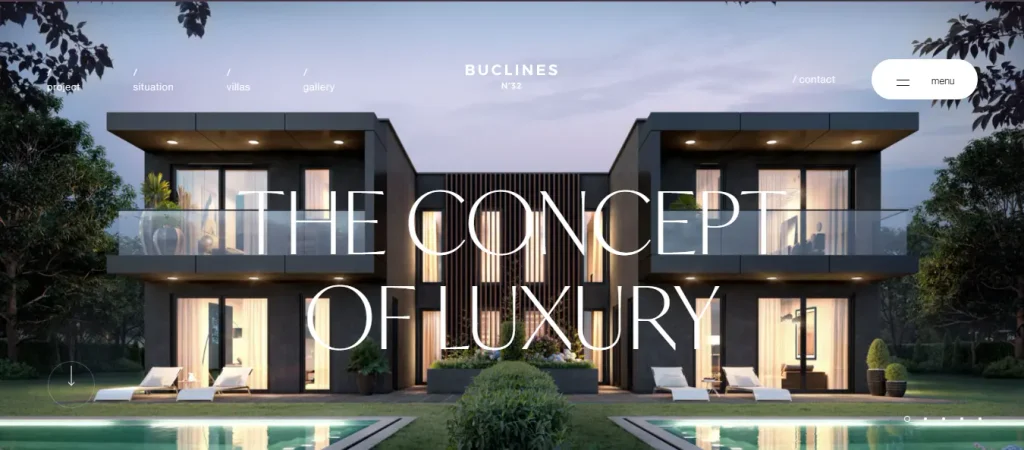
High-quality, exotic photography and concept imagery set an aspirational tone
Content is not just the specs of a unit but the lifestyle around it
What to steal: For luxury or resort-style properties, sell the lifestyle around the property, not just the square footage.
Real Estate Website Design Trends to Know
AI-powered search and assistants: conversational queries like “3-bedroom near good schools under $500K” are becoming a real search pattern, not a novelty
Hyperlocal content hubs: neighborhood guides, school ratings, commute times, and lifestyle video content
Video-first homepages: hero videos, short agent intros, and vertical, short-form area tours
Interactive maps and data layers: price heatmaps, sold comps, walkability scores, and planned development info
Personalized property feeds for returning, logged-in visitors based on browsing and saved-search behavior
Immersive tech: 3D tours, AR-based staging, and virtual open houses embedded directly on listing pages
Accessibility and inclusivity, meeting current WCAG guidelines rather than treating accessibility as optional
Performance as a real feature: fast load times, optimized media, and mobile-first design by default
Must-Have Features for a High-Converting Real Estate Website
Advanced search with saved searches and alerts for new matching listings
Detailed property pages: photo gallery, video, 3D tour, floor plans, and neighborhood data together
Agent profiles with real photos, bios, specialties, reviews, and a direct booking link
Multiple lead capture paths: short forms, click-to-call, text or WhatsApp, and chat
Visible trust elements: testimonials, case studies, transaction stats, and press mentions
A content engine: blog, market reports, and a newsletter signup that keeps the site earning organic traffic
CRM and marketing automation integration for follow-ups and retargeting
Analytics and testing tools: heatmaps, session recordings, and A/B testing on CTAs and forms
Plan bigger upgrades next: video strategy, AI-assisted search, personalization, CRM integration
Set clear KPIs to track: leads per month, view-to-contact rate, time on site, mobile conversion rate
Turning These Examples Into Your Own Redesign
Great real estate websites blend strong visuals, smart search, local expertise, and frictionless lead capture. Use these 26 examples as a swipe file, not a template to copy directly, and adapt what fits your brand and market. For a broader look at what current design trends look like across industries, our roundup of modern website design examples is worth a look too.
Need help redesigning your real estate website? Contact KrishaWeb for a free UX audit, or explore our real estate industry expertise to see how we’ve approached this for other clients.
What makes a real estate website design effective?
An effective real estate website combines a clear value proposition, fast mobile performance, strong search and filtering, real photography and video, and multiple ways to capture a lead. Design alone doesn’t convert visitors. It has to be paired with fast load times and a clear next step for every type of visitor.
Which features are most important for a realtor website?
Advanced search with saved alerts, detailed property pages with real photos and video, agent profiles with genuine reviews, and simple lead capture (click-to-call, chat, short forms) matter most. A site can look polished and still underperform if any of these core features are weak or missing.
Should I focus more on luxury design or local SEO for my real estate site?
Both matter, but they solve different problems. Luxury design and branding help convert visitors once they arrive. Local SEO determines whether those visitors find your site at all. A stunning site nobody finds in search results won’t generate leads, so local SEO usually deserves attention first.
How can I use AI in my real estate website design?
AI now shows up in a few practical places: conversational search that understands natural-language queries, personalized listing feeds based on browsing behavior, and AI chat tools that answer common buyer questions outside business hours. Start with one of these rather than trying to add AI everywhere at once.
What are some good examples of mobile-friendly real estate websites?
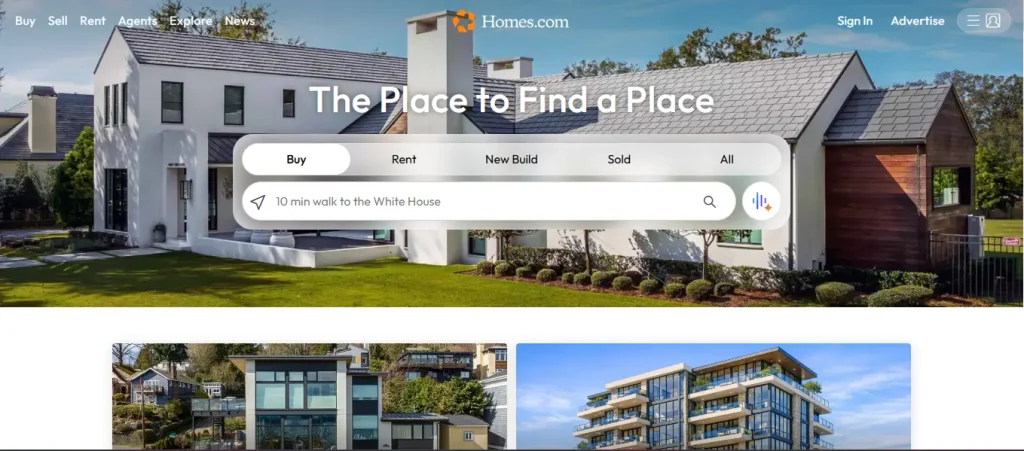
Homes.com is one of the strongest current examples, built mobile-first with large, thumb-friendly tap targets. Toll Brothers City Living and NEREN also handle mobile navigation well, collapsing complex menus into clean, simple patterns rather than shrinking a desktop layout down.
Ready to Scale Your Agency?
Tell us what you are trying to deliver. Schedule a call to talk it through, or contact us with your project.




 KrishaLabs
 KrishaStudio
 KrishaStore